

Transform Your Home with Hydronic Heating
-
Hydronic Heating
Melbourne -
Why Choose
Hydronic Heat? -
Hydronic Heating
System Installations -
Hydronic Heating
Product -
Frequently Asked
Questions

Hydronic Heating System & Services Melbourne
Discover the most efficient way to achieve even, consistent warmth throughout your Melbourne home. Our advanced Hydronic heating offers unparalleled comfort, lower energy bills, and a healthier living environment for your family.

Australia's Trusted Expert in Hydronic Heating
With years of experience and a commitment to excellence, we are Australia’s trusted experts in providing hydronic heating solutions tailored to your needs. From design to installation, we ensure the highest standards of quality and service, helping you transform your home into a cozy haven.
What is Hydronic Heating?
Hydronic heating is a clean, energy-efficient system that uses water to distribute heat evenly throughout your home. Water is heated through a central system and circulated via insulated pipes to radiators, underfloor systems, or other heating outlets, creating a comfortable and consistent warmth. This method is quiet, environmentally friendly, and ideal for those seeking a healthier alternative to traditional heating solutions.
How Hydronic Heating Works
Hydronic heating is one of the most efficient and healthiest ways to warm your home. Instead of blowing hot air, it uses water to transfer heat through a sealed system of pipes and radiators, delivering consistent and comfortable warmth.
Why Choose Hydronic Heating?
Keeping your home warm without driving up energy bills
Melbourne winters are famous for their biting chill and unpredictable shifts. Keeping your home warm without driving up energy bills can be a challenge. That is why hydronic heating has become a top choice for local homeowners. Total Hydronic provides expert installation and maintenance to keep you comfortable all season long. Here is why this system is the perfect fit for your home.
Benefits
Benefits of Hydronic Heating
Hydronic systems pump heated water through pipes under your floor or into wall panel radiators. This method offers several clear advantages for Melbourne properties:
Consistent, gentle warmth
Unlike ducted systems that blast hot air, hydronic heating radiates warmth evenly across the room. This effectively fights off the lingering cold of a Melbourne winter without creating hot and cold spots.
Silent operation
There are no loud fans or humming motors. You get a quiet, peaceful home environment.
Allergy-friendly
Because the system does not blow air around your rooms, it will not circulate dust, pollens, or pet dander. This provides massive relief for asthma and allergy sufferers.
Why Trust Total Hydronic Solutions?
Choosing the right hydronic heating installer is just as important as choosing the right heating system. Here is why locals rely on us:
Local expertise
We understand Melbourne's unique climate and housing styles. Our team recommends the exact system size and layout your specific property needs.
Quality workmanship
Our licensed technicians install top-tier equipment designed to last. We ensure every pipe and panel is fitted perfectly.
Comprehensive support
From your initial consultation to ongoing maintenance and repairs, we provide reliable, end-to-end service.
Clear advice
We explain your heating options in simple terms, helping you make an informed decision without confusing technical jargon.
Upgrading your heating system transforms how you experience winter. Contact Total Hydronic Solutions today to arrange a consultation and secure a reliable, efficient heating solution for your Melbourne home.
Installations
Hydronic Heating Installations
Upgrading your home with a hydronic heating system offers unmatched comfort during the colder months. But what exactly happens when the installation team arrives? Understanding the procedure helps you prepare your property and set the right expectations. Here is a clear breakdown of the process from start to finish.
The Hydronic Heat Pump Installation Process
1. Initial Assessment and Design
Every property is unique. Technicians first assess your home's layout and insulation levels to determine the correct boiler capacity and radiator placement. This careful planning ensures maximum energy efficiency and even heat distribution across all your living spaces.
2. Laying the Pipework
Also known as the 'first fix', this crucial step involves running a secure network of pipes throughout your home. For underfloor heating, installers lay the pipes before your final flooring goes down. If you prefer wall radiators, the pipes are neatly routed through internal cavities or beneath floorboards.
3. Fitting the Boiler and Radiators
During the 'second fix', the team installs the heart of your new setup: the central boiler. Once the boiler is secure, they mount the radiator panels to your walls or connect the underfloor heating manifolds directly to the established pipework.
4. Testing and Commissioning
Finally, the technicians fill the entire system with water and pressurise it. They flush the pipes to clear any debris, bleed the radiators to remove trapped air, and run the boiler to ensure everything operates safely and quietly.
Plan Your Heating Upgrade
Understanding these steps makes the entire upgrade much less daunting. When planning your home improvement, keep in mind that the final hydronic heating installation cost will vary based on your property size, the complexity of the pipework, and the specific equipment you select. Contact a certified professional today to arrange an inspection and receive a detailed, custom quote for your home.
Hydronic Heat Pumps Product
Panasonic Air-to-Water CO₂ Hydronic Heat Pumps

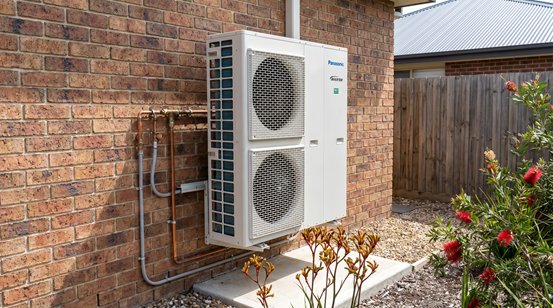
Advanced Panasonic hydronic heating solution for your home:
- All-in-one system for heating, cooling & domestic hot water
- Delivers consistent warmth and hot water even in cold climates
- Maintains performance in extreme temperatures down to -20°C
Specifications of Key Models
Heating Capacity: 9kW / 12kW / 16kW
COP (Efficiency): Up to 5.08
Cooling Capacity: 9kW – 16kW
Water Outlet Temperature: 20°C – 65°C
Operating Temperature Range: -20°C to 43°C
Sound Level: 68 – 72 dB
Dimensions (H×W×D): Approx. 865–1410 × 1283 × 320 mm
Weight: 104 – 150 kg
Power Supply: Single-phase / Three-phase options available
Key Features
Key Features of Panasonic Heat Pumps
3-in-1 Hydronic System
Provides underfloor heating, radiators & hot water from one unit
High Energy Efficiency
Up to 5x more efficient than traditional boilers
Maximum COP up to 5.08 for lower energy costs
CO₂ Eco-Friendly Technology
Reduces carbon emissions using renewable heat from air
T-CAP Technology (Cold Climate Performance)
Maintains full heating capacity even in low outdoor temperatures
Stable Hot Water Output
Consistent 60°C water temperature even in winter conditions
Space-Saving Design
Compact monobloc unit with no indoor hydrokit required
Easy Installation & Maintenance
Built-in magnet filter for long-term performance
Flexible Range
Available in 9kW, 12kW & 16kW models for different home sizes
Benefits
Benefits of Choosing Panasonic Air to Water Heat Pump
1. Energy Efficiency
Panasonic’s hydronic technology converts heat from the surrounding air into warmth, producing up to five times the energy output compared to traditional boilers and electric heaters, significantly reducing energy consumption and CO2 emissions.
2. Year-Round Comfort
The system provides heating in winter, cooling in summer, and hot water all year-round, ensuring consistent indoor comfort regardless of the season.
3. Reliable Performance in Extreme Conditions
The T-CAP models maintain heating capacity even in outdoor temperatures as low as -20°C, thanks to Panasonic’s dual-piped heat exchanger technology.
4. Space-Saving Design
With no need for an indoor hydrokit, the compact outdoor unit houses all refrigerant, requiring only water pipes inside the property, making it ideal for homes with limited space.
5. Smart Control Features
The Panasonic Smart Cloud app allows users to remotely monitor energy usage and running costs in real-time, optimizing efficiency and identifying potential savings.
6. Versatile Applications
Suitable for underfloor heating, radiators, or fan coil units, the system can also replace gas or oil boilers, making it adaptable for new installations or retrofitting projects.
7. Durable and Low Maintenance
The built-in magnet filter removes metal dust particles, simplifying maintenance and ensuring consistent performance over time.
8. Proven Quality
With a strong reputation and 15 years of success in the European market, Panasonic’s Air to Water Heat Pump is a trusted and reliable solution for Australian homes.
This innovative system combines efficiency, sustainability, and advanced technology, making it a smart choice for modern heating and cooling needs.
Frequently Asked Questions
What is a hydronic heat pump system and how does it work?
A hydronic heat pump system uses water to transfer heat for space heating or cooling. It works by extracting heat from the air, ground, or water and circulating it through pipes to radiators or underfloor systems.
Is hydronic heating energy efficient compared to ducted heating?
Yes, hydronic heating is more energy-efficient than ducted heating. It minimises heat loss by using water, a better heat conductor, and allows precise zoning for targeted heating. This reduces energy consumption, making it a cost-effective and environmentally friendly option for maintaining indoor comfort.
How much does a hydronic heat pump system cost in Melbourne?
In Melbourne, the cost of installing a hydronic heat pump system typically ranges from AUD 10,000 to AUD 30,000. The price depends on factors such as the system size, type (radiators or underfloor), and installation complexity. While the upfront cost is higher than some alternatives, the long-term energy efficiency and comfort make it a worthwhile investment.
Can a hydronic heat pump system be used for both heating and cooling?
Yes, a hydronic heat pump system can provide both heating and cooling. With the right setup, it circulates warm water for heating in winter and chilled water for cooling in summer, offering year-round comfort and efficiency.
Are hydronic heat pumps suitable for Melbourne’s cold climate?
Yes, hydronic heat pumps are effective in Melbourne’s cold climate, especially with modern, efficient models.
What are the running costs of hydronic heating systems?
Running costs vary but are generally lower than ducted systems, averaging AUD 500–1,500 annually, depending on usage.
How long does a hydronic heat pump system last?
A hydronic heat pump system typically lasts 15–25 years with proper maintenance. Regular servicing, such as checking pumps and cleaning filters, ensures optimal performance and longevity, making it a durable and cost-effective heating and cooling solution.
What maintenance is required for hydronic heating systems?
Hydronic heating systems require regular maintenance to ensure efficiency and longevity. Key tasks include checking for leaks, bleeding air from radiators, inspecting pumps and valves, and cleaning filters. The water quality should also be monitored to prevent corrosion or scaling. Annual professional servicing is recommended to address any issues and optimise performance, ensuring the system operates smoothly and efficiently throughout its lifespan.
Is hydronic heating better for allergies and indoor air quality?
Yes, hydronic heating is better for allergies and indoor air quality. Unlike ducted systems, it doesn’t circulate air, preventing the spread of dust, allergens, and pollutants. The radiant heat it provides is gentle and consistent, creating a healthier and more comfortable environment, especially for individuals with respiratory issues or sensitivities.
Can I install hydronic heating in an existing home?
Yes, hydronic heating can be installed in existing homes, but it requires more effort than new builds. Retrofitting involves integrating pipes, radiators, or underfloor systems, which may require lifting floors or modifying layouts. Wall-mounted radiators are simpler to install. A professional assessment is crucial to determine the best approach. While the process can be complex, the energy efficiency and comfort benefits make it a worthwhile investment.
What size heat pump do I need for my home?
The size of the heat pump you need depends on factors like your home’s size, insulation quality, number of occupants, and local climate. A professional heat load assessment is essential to determine the correct capacity, ensuring efficient performance. Oversized systems can waste energy, while undersized ones may struggle to meet heating demands. Typically, homes require 40-60 watts per square metre, but expert advice ensures the best fit for your needs.
Are hydronic heat pumps environmentally friendly?
Yes, hydronic heat pumps are environmentally friendly. They use renewable energy sources, such as air or ground heat, and consume less electricity compared to traditional systems, reducing carbon emissions and promoting sustainable, energy-efficient heating and cooling solutions.